I just knew 2026 was going to be a challenge. For twelve years my husband had enjoyed little complication from Prostate cancer. Now he has advanced stage 4 prostate cancer. The advanced bit we knew early January. The PSA blood test used to detect if prostate cancer spreads had rocketed. More than doubled in a short space of time. Scans ensued Bone and CT chest/abdo/pelvis. I was shocked it had metastasised to his skull. It has spread to multiple other places too. ‘Don’t worry’ the nurse at the other end of the telephone said, ‘with more hormone treatment He could still have years’. So the hormone treatment has resumed, painkillers commenced and we pray. We still don’t have a prognosis as we won’t see the Consultant until end March.
There’s three months out of your ‘six month prognosis’ in the Scottish assisted dying bill spent just waiting. The NHS is fantastic but as we know under pressure, which in itself affects or dictates choices and decisions.
My husband and I are still grateful that advanced stage 4 is not necessarily terminal in 2026. The Consultant might say otherwise. Clearly though there is no cure and it will shorten my husband’s life. But is measuring that life an exact science? I doubt it.
Many things cannot be controlled in life. Like death. Opting for assisted dying by suicide is only an illusion of control.
I thought people in Scotland had had enough during COVID of a heightened period of a very reduced lack of control.
1. Lack of movement and visiting people.
2. Lack of information at how their relatives were.
3. Lack of being able to process the death of loved ones or neighbours or colleagues due to funeral restrictions.
4. Lack of information about those who were most vulnerable – shielding, disabled people, digitally dyslexic people.
5. Lack of accountability with methods to obtain Do Not Resuscitate consent. Especially from individuals alone without any advocate family or otherwise.
6. Lack of information about the change in palliative care guidelines which increased the amount of opioids permitted to prescribe and administer.
Preventing the spread of the COVID virus took precedence over all the usual etiquette between patients, their families, healthcare and the state.
I remember an elderly woman in her mid eighties during COVID who asked to see her adult children. She knew she was dying and was not coping with, nor consenting to, the Non Invasive Ventilation (NIV) her doctors had put her on. Her adult children were not notified in time because the elderly lady didn’t tick the box to be near enough death for family to be ‘allowed to visit’ during COVID.
Anything that divides families, creates information vacuums, fear through isolation can only lead to misery. That, I thought would be one silver lining from COVID. No one will want to legalise assisted dying after experiencing the pitfalls of state intervention.
The intention to prevent COVID spread was obviously good. The desire to prevent suffering through assisted dying can also be seen as good.
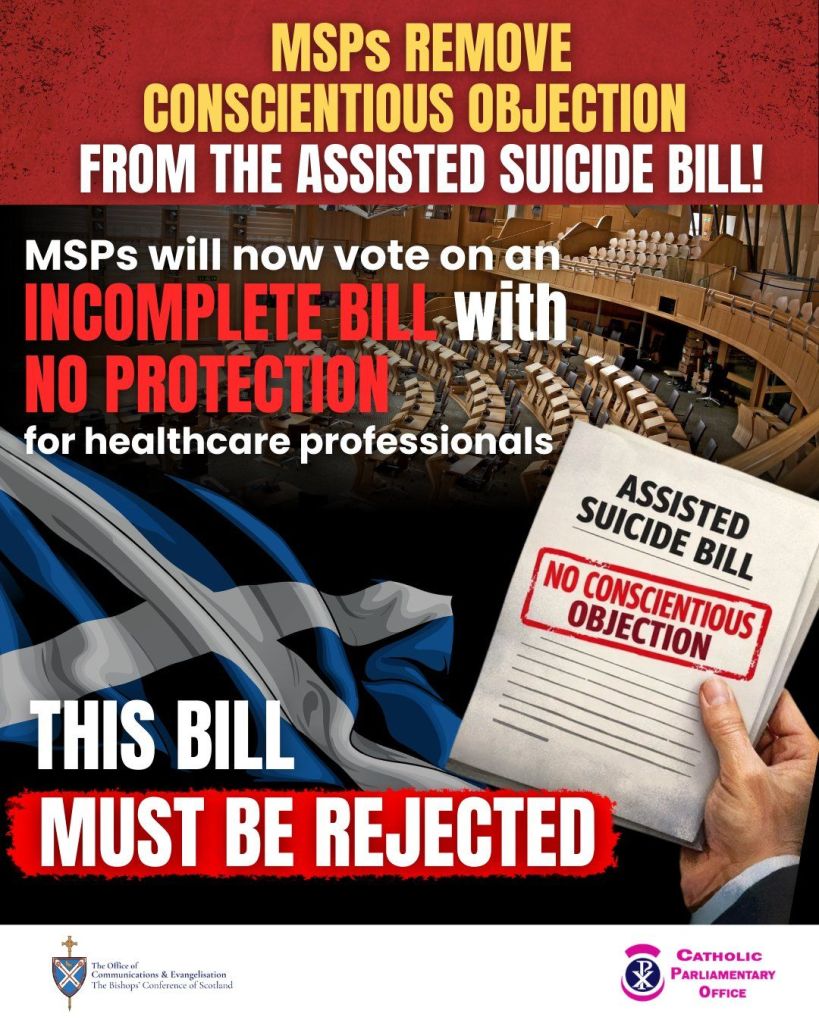
Unfortunately you can create more pain trying to micro manage and control things that are a part of life and death. There is a huge difference between moral aspirations and practical impact. The COVID pandemic showed that and there are parallels in legalising assisted suicide. There will be mistakes, broken and divided families, vulnerable and isolated individuals susceptible to assisted dying messaging, crime and theft.
I have mourned for several people who died naturally. I have mourned for one who died by suicide. The latter was by far the hardest to process. Whether or not it was his choice is of no comfort.

 rmemme.com
Please drop a comment